
Best AI humanizers in 2026: tested and ranked
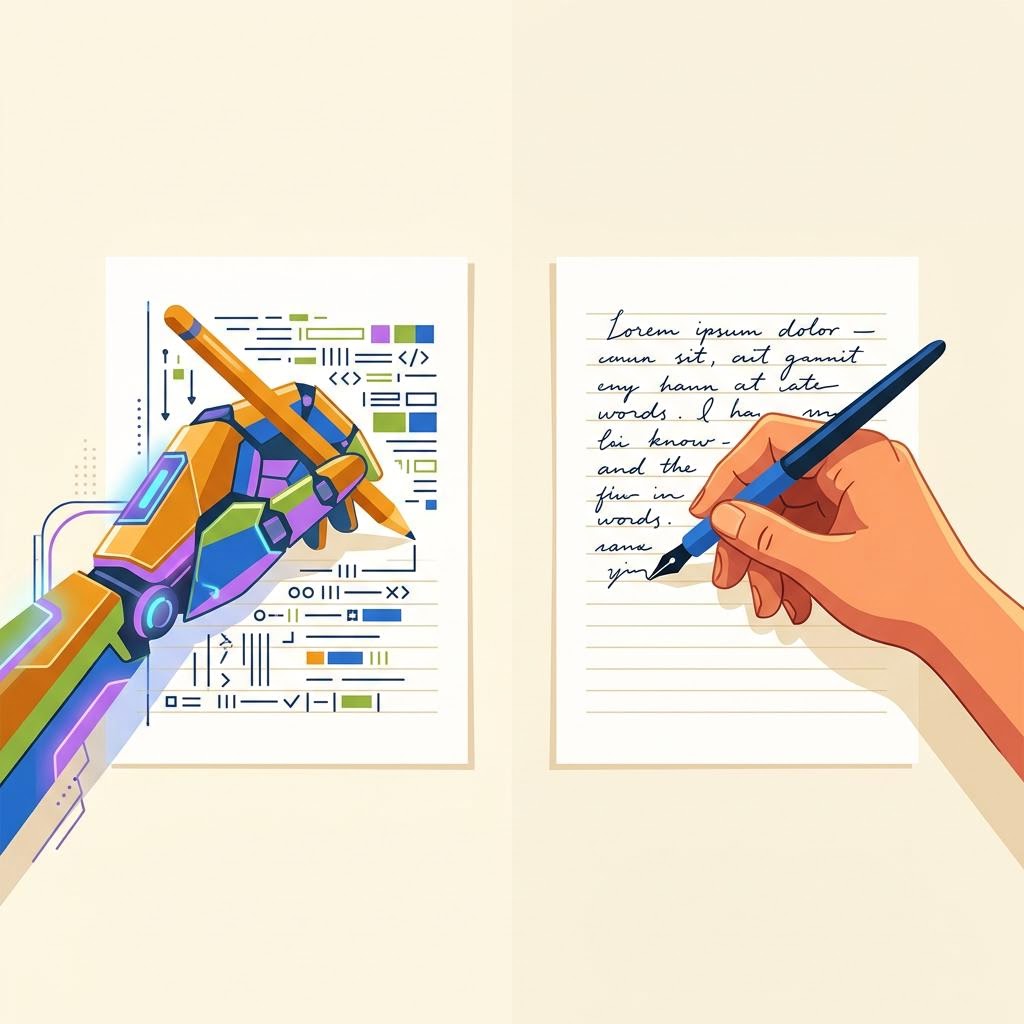
We tested the leading AI humanizers against 2026 detectors. Here is how they rank on pass rate, voice, and value.
The best AI humanizers in 2026 do one thing that separates them from the pack: they rewrite how a sentence is built, not just which words fill it. Detectors this year measure statistical fingerprints, so synonym-swapping tools fail while true rewriters pass. We tested each tool below against live detectors and scored them on pass rate, voice fidelity, and price. This ranking is for writers, students, and content teams who need AI-assisted drafts to read as authentically human without gambling on hype.
What is an AI humanizer?
An AI humanizer is a tool that rewrites AI-generated text so it reads as human-authored while preserving the original meaning. It targets the statistical signals detectors rely on, such as low perplexity and uniform sentence length, and replaces them with the natural variation human writers produce.
The strongest humanizers go beyond mechanical edits. They vary sentence rhythm, add idiom, and can adopt your personal writing style. To understand the detection signals these tools fight against, see how AI detectors work.
How did we test the best AI humanizers?
We ran the same 1,500-word AI draft through each tool, then scored the output on three detectors: Turnitin, GPTZero, and Originality.ai. We repeated the process across academic, marketing, and casual samples to check consistency.
Pass rate alone does not decide the winner. A tool that passes detection but produces text no human would write fails the real test. We weighted voice fidelity and readability alongside raw detection numbers. For the detection benchmarks behind our scores, review our detector pass-rate data.
Which AI humanizers rank highest in 2026?
UmanWrite leads our ranking because it learns your voice from samples, then rewrites structure rather than swapping words. Voice-first tools consistently beat generic rewriters on both detection and reader trust.
Generic humanizers still have a place for one-off drafts, but they produce output that sounds like a stranger. That mismatch matters most in academic and professional settings where readers know your usual style.
| Tool | Approach | Voice control | Best for |
|---|---|---|---|
| UmanWrite | Structural rewrite plus voice profiles | High | Students, marketers, teams needing authentic output |
| QuillBot | Paraphrase and synonym swap | Low | Quick clarity edits on your own writing |
| Undetectable AI | Pattern randomization | Low to medium | Fast evasion attempts on short drafts |
| Grammarly | Grammar and tone suggestions | Low | Polishing, not detection evasion |
Curious how these stack up head-to-head? See UmanWrite vs QuillBot, UmanWrite vs Undetectable AI, and UmanWrite vs Grammarly.
What features actually matter in a humanizer?
Voice control is the feature that determines whether output reads as yours. A tool that only randomizes sentences produces text that passes detection but fails human review.
- Structural rewriting that changes sentence rhythm, not just vocabulary.
- Voice profiles trained on your own writing samples.
- Consistent pass rates across multiple detectors, not one favorable test.
- Meaning preservation so your argument survives the rewrite.
- Transparent word limits and pricing so you can plan real workloads.
How much do the best AI humanizers cost?
Free tiers exist, but they cap word counts and rarely offer voice training. Paid plans in 2026 range from roughly 10 to 30 dollars per month for individual writers, with team plans scaling by seat.
Cost matters less than cost per usable draft. A cheap tool that fails detection forces manual rewrites, erasing the savings. For a breakdown of value, read free AI humanizer vs paid and compare current UmanWrite pricing.
Which humanizer should you choose?
Choose a voice-trained humanizer if readers know your style, such as professors, editors, or long-term clients. Generic output betrays AI assistance faster than any detector.
- Match the tool to your workflow: academic, marketing, or high-volume operations.
- Confirm it rewrites structure, not just vocabulary, by testing a sample draft.
- Verify pass rates across at least two detectors before committing.
- Prioritize voice control if your audience recognizes your usual writing.
- Recheck output with an [AI detector](/ai-detector) after every major update.
The best AI humanizer for you depends on who reads your work and how much you produce. For most writers who care about authenticity, UmanWrite's humanizer offers the strongest mix of detection resistance and voice fidelity we tested in 2026.
Frequently asked questions
+What is the best AI humanizer in 2026?
UmanWrite ranked highest in our testing because it rewrites sentence structure and learns your personal voice, producing output that passes multiple detectors while still reading like you wrote it.
+Do free AI humanizers work?
Free humanizers can handle short drafts but usually cap word counts and skip voice training. They often leave detection fingerprints, so they suit casual use, not academic or client submissions.
+Can any humanizer guarantee undetectable text?
No. Detectors update frequently, so any tool claiming 100 percent undetectable output is overstating. Judge humanizers by consistent pass rates across several detectors instead.
+What separates a good humanizer from a paraphraser?
A humanizer rewrites sentence structure and rhythm to defeat statistical detection. A paraphraser swaps synonyms, which leaves the AI fingerprint intact and can trigger new red flags.
+How do I test whether a humanizer worked?
Run the output through two or more detectors, then read it aloud. If it passes detection and sounds like your natural voice, the humanizer did its job.
+Which humanizer is best for students?
Students benefit most from voice-trained humanizers because professors recognize their usual style. Generic rewrites can read as suspicious even when they pass detection.
+How much should I pay for an AI humanizer?
Individual paid plans in 2026 typically run 10 to 30 dollars monthly. Focus on cost per usable draft rather than headline price, since failed output forces manual rewrites.